What Is The Science Behind It?
Sugar sensitivity is a theory -- a working hypothesis -- based on my own observation of how my addicted and/or compulsive clients respond to sugars and on my in-depth investigation of the solid scientific research that has been done on carbohydrate sensitivity, and the role of brain chemicals in alcoholism, addiction and nutrition.
Scientific research since the publication of Potatoes Not Prozac in 1998 has now demonstrated the physiology of sugar addiction and lends strong credence to my original hypothesis of sugar sensitivity. The stories I originally heard from clients in my California practice and now from the Radiant Recovery® community all over the world tell us that my theory is on target and my program really can help you heal your sugar addiction and your biochemical imbalance. Back in the mid-1990s, naming the problem of sugar sensitivity and offering a solution was too important to wait for the approval of scientific authorities. Now the findings of researchers are catching up with my vision of ten years ago.
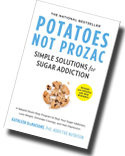
Using this working model, I wrote Potatoes Not Prozac, which (despite the title) was really about healing sugar sensitivity. Since the book’s publication in 1998, a lot has developed. Science continued asking questions and finding answers. Early in 2000, Bart Hoebel, a senior researcher at Princeton, heard about the hypothesis I had developed on sugar sensitivity and decided to test it in his laboratory. In 2002, Hoebel and an undergraduate student, Carlo Colantuoni, published a paper confirming sugar addiction in rats. It was entitled "Evidence that intermittent, excessive sugar intake causes endogenous opioid dependence.” The studies continued. In 2005, Cyrilla Wideman published the results of a study demonstrating that the effects of sugar addiction, sugar withdrawal, and sugar relapse are similar to drug addiction, withdrawal, and relapse (the article was entitled “Implications of an animal model of sugar addiction, withdrawal and relapse for human health”). Not only is the term sugar addiction being published in peer-reviewed scientific journals, reference is now being made to sugar addiction in humans.
The Science of Potatoes Not Prozac
Many people have commented that the science behind Potatoes Not Prozac makes them feel very safe. The power of the Internet can give us access to the basis of my work in an entirely new way.
You can now read each original abstract in its original form. You can actually order the full article directly from PubMed (The Library of Congress repository of more than 6 million citations). Or you can directly order the books.
The material includes both source links and some commentary from me. I have marked those articles I found particularly important to our story. Remember, there are a couple of themes we are weaving together:
- Some people have a particular sensitivity to carbohydrates
- Some people are born with low levels of serotonin and beta endorphin
- Depression, obesity and addiction are linked to low levels of serotonin and beta endorphin
- Dietary changes can affect serotonin and beta endorphin levels.
- Changing your diet can change how you are and how you feel.
Read through the list, read the source documents that excite you. Understand how PubMed works and take off on your own. If you find an article that is particularly interesting, click on “find related articles” and read more about the topic. Some of the articles may seem a little technical to you, but generally the last line will summarize the results in an understandable way. I am always happy to help you.
Go to the search page of PubMed and enter topics or authors that interest you. For example, if you are interested in Dr. Christine Gianoulakis’ work on beta endorphin and alcoholism (as I am), enter her name in the search box. Find out her most recent publication. See the questions that she and her students are asking. Notice where the work is being done – it may be at a university right near you. You can become part of our research team. If you find an article that is particularly exciting, post it on the forum, send it to me. We are all in this together.
Let me know if you have any questions.
Here are some abstracts and citations to get you started. I have put key ideas in bold.
This article by Nicole Avena presents the evidence for sugar addiction. She offers 256 citations in support of their findings in the lab that sugar addiction is real, can be measured and has an impact on behavior. If you want to read the whole article,
click here.
1: Neurosci Biobehav Rev. 2008;32(1):20-39. Epub 2007 May 18. Evidence for sugar addiction: behavioral and neurochemical effects of intermittent, excessive sugar intake. Avena NM, Rada P, Hoebel BG. Department of Psychology, Princeton University, Princeton, NJ 08540, USA. [Avena, N.M., Rada, P., Hoebel B.G., 2007. Evidence for sugar addiction: Behavioral and neurochemical effects of intermittent, excessive sugar intake. Neuroscience and Biobehavioral Reviews XX(X), XXX-XXX]. The experimental question is whether or not sugar can be a substance of abuse and lead to a natural form of addiction. "Food addiction" seems plausible because brain pathways that evolved to respond to natural rewards are also activated by addictive drugs. Sugar is noteworthy as a substance that releases opioids and dopamine and thus might be expected to have addictive potential. This review summarizes evidence of sugar dependence in an animal model. Four components of addiction are analyzed. "Bingeing," "withdrawal," "craving" and "cross-sensitization" are each given operational definitions and demonstrated behaviorally with sugar bingeing as the reinforcer. These behaviors are then related to neurochemical changes in the brain that also occur with addictive drugs. Neural adaptations include changes in dopamine and opioid receptor binding, enkephalin mRNA expression and dopamine and acetylcholine release in the nucleus accumbens. The evidence supports the hypothesis that under certain circumstances rats can become sugar dependent. This may translate to some human conditions as suggested by the literature on eating disorders and obesity.
1: Brain Res Mol Brain Res. 2004 May 19;124(2):134-42. Opiate-like effects of sugar on gene expression in reward areas of the rat brain. Spangler R, Wittkowski KM, Goddard NL, Avena NM, Hoebel BG, Leibowitz SF. Laboratory of Behavioral Neuroscience, The Rockefeller University, 1230 York Avenue, New York, NY 10021, USA. rudolph.spangle@rockefeller.edu Drugs abused by humans are thought to activate areas in the ventral striatum of the brain that engage the organism in important adaptive behaviors, such as eating. In support of this, we report here that striatal regions of sugar-dependent rats show alterations in dopamine and opioid mRNA levels similar to morphine-dependent rats. Specifically, after a chronic schedule of intermittent bingeing on a sucrose solution, mRNA levels for the D2 dopamine receptor, and the preproenkephalin and preprotachykinin genes were decreased in dopamine-receptive regions of the forebrain, while D3 dopamine receptor mRNA was increased. While morphine affects gene expression across the entire dopamine-receptive striatum, significant differences were detected in the effects of sugar on the nucleus accumbens and adjacent caudate-putamen. The effects of sugar on mRNA levels were of greater magnitude in the nucleus accumbens than in the caudate-putamen. These areas also showed clear differences in the interactions among the genes, especially between D3R and the other genes. This was revealed by a novel multivariate analysis method that identified cooperative interactions among genes, specifically in the nucleus accumbens but not the caudate-putamen. Finally, a role for these cooperative interactions in a load-sharing response to perturbations caused by sugar was supported by the finding of a different pattern of correlations between the genes in the two striatal regions. These findings support a major role for the nucleus accumbens in mediating the effects of naturally rewarding substances and extend an animal model for studying the common substrates of drug addiction and eating disorders.
1: J Nutr. 2009 Mar;139(3):623-8. Epub 2009 Jan 28. Sugar and fat bingeing have notable differences in addictive-like behavior. Avena NM, Rada P, Hoebel BG. Department of Psychology, Princeton University, Princeton, NJ 08540, USA. Ingestion of different nutrients, such as fats and sugars, normally produces different effects on physiology, the brain, and behavior. However, they do share certain neural pathways for reinforcement of behavior, including the mesolimbic dopamine (DA) system. When these nutrients are consumed in the form of binges, this can release excessive DA, which causes compensatory changes that are comparable to the effects of drugs of abuse. In this article, we review data obtained with animal models of fat and sugar bingeing. The concept of "food addiction" is described and reviewed from both clinical and laboratory animal perspectives. Behavioral manifestations of addictive-like behavior and concomitant alterations in DA and opioid systems are compared for sugar and fat bingeing. Finally, in relation to eating disorders and obesity, we discuss how fat may be the macronutrient that results in excess body weight, and sweet taste in the absence of fat may be largely responsible for producing addictive-like behaviors that include a withdrawal syndrome.
1: Obes Res. 2002 Jun;10(6):478-88. Evidence that intermittent, excessive sugar intake causes endogenous opioid dependence. Colantuoni C, Rada P, McCarthy J, Patten C, Avena NM, Chadeayne A, Hoebel BG. Department of Psychology, Princeton University, New Jersey 08544, USA. OBJECTIVE: The goal was to determine whether withdrawal from sugar can cause signs of opioid dependence. Because palatable food stimulates neural systems that are implicated in drug addiction, it was hypothesized that intermittent, excessive sugar intake might create dependency, as indicated by withdrawal signs. RESEARCH METHODS AND PROCEDURES: Male rats were food-deprived for 12 hours daily, including 4 hours in the early dark, and then offered highly palatable 25% glucose in addition to chow for the next 12 hours. Withdrawal was induced by naloxone or food deprivation. Withdrawal signs were measured by observation, ultrasonic recordings, elevated plus maze tests, and in vivo microdialysis. RESULTS: Naloxone (20 mg/kg intraperitoneally) caused somatic signs, such as teeth chattering, forepaw tremor, and head shakes. Food deprivation for 24 hours caused spontaneous withdrawal signs, such as teeth chattering. Naloxone (3 mg/kg subcutaneously) caused reduced time on the exposed arm of an elevated plus maze, where again significant teeth chattering was recorded. The plus maze anxiety effect was replicated with four control groups for comparison. Accumbens microdialysis revealed that naloxone (10 and 20 mg/kg intraperitoneally) decreased extracellular dopamine (DA), while dose-dependently increasing acetylcholine (ACh). The naloxone-induced DA/ACh imbalance was replicated with 10% sucrose and 3 mg/kg naloxone subcutaneously. DISCUSSION: Repeated, excessive intake of sugar created a state in which an opioid antagonist caused behavioral and neurochemical signs of opioid withdrawal. The indices of anxiety and DA/ACh imbalance were qualitatively similar to withdrawal from morphine or nicotine, suggesting that the rats had become sugar-dependent.
1: Neuroreport. 2001 Nov 16;12(16):3549-52. Excessive sugar intake alters binding to dopamine and mu-opioid receptors in the brain. Colantuoni C, Schwenker J, McCarthy J, Rada P, Ladenheim B, Cadet JL, Schwartz GJ, Moran TH, Hoebel BG. Department of Psychology, Green Hall, Princeton University, Princeton, NJ 08544, USA. Palatable food stimulates neural systems implicated in drug dependence; thus sugar might have effects like a drug of abuse. Rats were given 25% glucose solution with chow for 12 h followed by 12 h of food deprivation each day. They doubled their glucose intake in 10 days and developed a pattern of excessive intake in the first hour of daily access. After 30 days, receptor binding was compared to chow-fed controls. Dopamine D-1 receptor binding increased significantly in the accumbens core and shell. In contrast, D-2 binding decreased in the dorsal striatum. Binding to dopamine transporter increased in the midbrain. Opioid mu-1 receptor binding increased significantly in the cingulate cortex, hippocampus, locus coeruleus and accumbens shell. Thus, intermittent, excessive sugar intake sensitized D-1 and mu-1 receptors much like some drugs of abuse.
And then here is the list of citations I used for Potatoes Not Prozac.
- Akkok, F., et al., Naloxone persistently modifies water-intake. Pharmacol Biochem Behav, 1988. 29(2): p. 331-4.
- Anderson, I.M., et al., Dieting reduces plasma tryptophan and alters brain 5-HT function in women. Psychol Med, 1990. 20(4): p. 785-91.
- Angelogianni, P. and C. Gianoulakis, Ontogeny of the beta endorphin response to stress in the rat: role of the pituitary and the hypothalamus. Neuroendocrinology, 1989. 50(4): p. 372-81.
- Angelogianni, P. and C. Gianoulakis, Prenatal exposure to ethanol alters the ontogeny of the beta endorphin response to stress. Alcohol Clin Exp Res, 1989. 13(4): p. 564-71.
- Avena, N.M., et al., Sugar-dependent rats show enhanced intake of unsweetened ethanol. Alcohol, 2004. 34(2-3): p. 203-9.
- Avena, N.M. and B.G. Hoebel, A diet promoting sugar dependency causes behavioral cross-sensitization to a low dose of amphetamine. Neuroscience, 2003. 122(1): p. 17-20.
- Avena, N.M. and B.G. Hoebel, Amphetamine-sensitized rats show sugar-induced hyperactivity (cross-sensitization) and sugar hyperphagia. Pharmacol Biochem Behav, 2003. 74(3): p. 635-9.
- Avena, N.M., K.A. Long, and B.G. Hoebel, Sugar-dependent rats show enhanced responding for sugar after abstinence: evidence of a sugar deprivation effect. Physiol Behav, 2005. 84(3): p. 359-62.
- Avena, N.M., et al., Sucrose sham feeding on a binge schedule releases accumbens dopamine repeatedly and eliminates the acetylcholine satiety response. Neuroscience, 2006. 139(3): p. 813-20.
- Beczkowska, I.W., W.D. Bowen, and R.J. Bodnar, Central opioid receptor subtype antagonists differentially alter sucrose and deprivation-induced water intake in rats. Brain Res, 1992. 589(2): p. 291-301.
- Bencherif, B., et al., Regional mu-opioid receptor binding in insular cortex is decreased in bulimia nervosa and correlates inversely with fasting behavior. J Nucl Med, 2005. 46(8): p. 1349-51.
- Blass, E., E. Fitzgerald, and P. Kehoe, Interactions between sucrose, pain and isolation distress. Pharmacol Biochem Behav, 1987. 26(3): p. 483-9.
- Blass, E.M., et al., Separation of opioid from nonopioid mediation of affect in neonatal rats: nonopioid mechanisms mediate maternal contact influences. Behav Neurosci, 1990. 104(4): p. 625-36.
- Blass, E.M. and A. Shah, Pain-reducing properties of sucrose in human newborns. Chem Senses, 1995. 20(1): p. 29-35.
- Blass, E.M. and L.B. Watt, Suckling- and sucrose-induced analgesia in human newborns. Pain, 1999. 83(3): p. 611-23.
- Brunani, A., et al., Influence of insulin on beta endorphin plasma levels in obese and normal weight subjects. Int J Obes Relat Metab Disord, 1996. 20(8): p. 710-4.
- Bujatti, M. and P. Riederer, Serotonin, noradrenaline, dopamine metabolites in transcendental meditation-technique. J Neural Transm, 1976. 39(3): p. 257-67.
- Carrillo, C.A., et al., A high-fat meal or injection of lipids stimulates ethanol intake. Alcohol, 2004. 34(2-3): p. 197-202.
- Chang, G.Q., et al., Effect of ethanol on hypothalamic opioid peptides, enkephalin, and dynorphin: relationship with circulating triglycerides. Alcohol Clin Exp Res, 2007. 31(2): p. 249-59.
- Christie, M.J. and G.B. Chesher, Physical dependence on physiologically released endogenous opiates. Life Sci, 1982. 30(14): p. 1173-7.
- Cleary, J., et al., Naloxone effects on sucrose-motivated behavior. Psychopharmacology (Berl), 1996. 126(2): p. 110-4.
- Colantuoni, C., et al., Evidence that intermittent, excessive sugar intake causes endogenous opioid dependence. Obes Res, 2002. 10(6): p. 478-88.
- Colantuoni, C., et al., Excessive sugar intake alters binding to dopamine and mu-opioid receptors in the brain. Neuroreport, 2001. 12(16): p. 3549-52.
- Cronin, A., et al., Opioid inhibition of rapid eye movement sleep by a specific mu receptor agonist. Br J Anaesth, 1995. 74(2): p. 188-92.
- Czirr, S.A., et al., Selected opioids modify intake of sweetened ethanol solution among female rats. Alcohol, 1987. 4(3): p. 157-60.
- Czirr, S.A. and L.D. Reid, Demonstrating morphine's potentiating effects on sucrose-intake. Brain Res Bull, 1986. 17(5): p. 639-42.
- D'Anci, K.E., A.V. Gerstein, and R.B. Kanarek, Long-term voluntary access to running wheels decreases kappa-opioid antinociception. Pharmacol Biochem Behav, 2000. 66(2): p. 343-6.
- D'Anci, K.E. and R.B. Kanarek, Naltrexone antagonism of morphine antinociception in sucrose- and chow-fed rats. Nutr Neurosci, 2004. 7(1): p. 57-61.
- d'Anci, K.E., R.B. Kanarek, and R. Marks-Kaufman, Duration of sucrose availability differentially alters morphine-induced analgesia in rats. Pharmacol Biochem Behav, 1996. 54(4): p. 693-7.
- Dai, X., J. Thavundayil, and C. Gianoulakis, Differences in the peripheral levels of beta endorphin in response to alcohol and stress as a function of alcohol dependence and family history of alcoholism. Alcohol Clin Exp Res, 2005. 29(11): p. 1965-75.
- Davidson, R., Meditation and neuroplasticity: training your brain. Interview by Bonnie J. Horrigan. Explore (NY), 2005. 1(5): p. 380-8.
- Davidson, R.J., et al., Alterations in brain and immune function produced by mindfulness meditation. Psychosom Med, 2003. 65(4): p. 564-70.
- De Waele, J.P. and C. Gianoulakis, Effects of ethanol on the brain beta endorphin system in inbred strains of mice with variable preference for ethanol solutions: in vitro study. Prog Clin Biol Res, 1990. 328: p. 315-8.
- de Waele, J.P. and C. Gianoulakis, Characterization of the mu and delta opioid receptors in the brain of the C57BL/6 and DBA/2 mice, selected for their differences in voluntary ethanol consumption. Alcohol Clin Exp Res, 1997. 21(4): p. 754-62.
- de Waele, J.P., K. Kiianmaa, and C. Gianoulakis, Distribution of the mu and delta opioid binding sites in the brain of the alcohol-preferring AA and alcohol-avoiding ANA lines of rats. J Pharmacol Exp Ther, 1995. 275(1): p. 518-27.
- De Waele, J.P., D.N. Papachristou, and C. Gianoulakis, The alcohol-preferring C57BL/6 mice present an enhanced sensitivity of the hypothalamic beta endorphin system to ethanol than the alcohol-avoiding DBA/2 mice. J Pharmacol Exp Ther, 1992. 261(2): p. 788-94.
- Drewnowski, A., Metabolic determinants of binge eating. Addict Behav, 1995. 20(6): p. 733-45.
- Drewnowski, A. and M.R. Greenwood, Cream and sugar: human preferences for high-fat foods. Physiol Behav, 1983. 30(4): p. 629-33.
- Drewnowski, A., et al., Taste responses and preferences for sweet high-fat foods: evidence for opioid involvement. Physiol Behav, 1992. 51(2): p. 371-9.
- Drewnowski, A., et al., Naloxone, an opiate blocker, reduces the consumption of sweet high-fat foods in obese and lean female binge eaters. Am J Clin Nutr, 1995. 61(6): p. 1206-12.
- Drewnowski, A., et al., Food preferences in human obesity: carbohydrates versus fats. Appetite, 1992. 18(3): p. 207-21.
- Elfhag, K. and C. Erlanson-Albertsson, Sweet and fat taste preference in obesity have different associations with personality and eating behavior. Physiol Behav, 2006. 88(1-2): p. 61-6.
- Erlanson-Albertsson, C., [Sugar triggers our reward-system. Sweets release opiates which stimulates the appetite for sucrose--insulin can depress it]. Lakartidningen, 2005. 102(21): p. 1620-2, 1625, 1627.
- Erlanson-Albertsson, C. and J. Mei, The effect of low carbohydrate on energy metabolism. Int J Obes (Lond), 2005. 29 Suppl 2: p. S26-30.
- Fantino, M., J. Hosotte, and M. Apfelbaum, An opioid antagonist, naltrexone, reduces preference for sucrose in humans. Am J Physiol, 1986. 251(1 Pt 2): p. R91-6.
- Fernstrom, J.D., Effects on the diet on brain neurotransmitters. Metabolism, 1977. 26(2): p. 207-23.
- Fernstrom, J.D., Tryptophan, serotonin and carbohydrate appetite: will the real carbohydrate craver please stand up! J Nutr, 1988. 118(11): p. 1417-9.
- Fernstrom, J.D. and D.V. Faller, Neutral amino acids in the brain: changes in response to food ingestion. J Neurochem, 1978. 30(6): p. 1531-8.
- Fernstrom, J.D. and R.J. Wurtman, Control of brain serotonin levels by the diet. Adv Biochem Psychopharmacol, 1974. 11(0): p. 133-42.
- Fernstrom, M.H. and J.D. Fernstrom, Brain tryptophan concentrations and serotonin synthesis remain responsive to food consumption after the ingestion of sequential meals. Am J Clin Nutr, 1995. 61(2): p. 312-9.
- Fullerton, D.T., et al., Sugar, opioids and binge eating. Brain Res Bull, 1985. 14(6): p. 673-80.
- Genazzani, A.R., et al., Central deficiency of beta endorphin in alcohol addicts. J Clin Endocrinol Metab, 1982. 55(3): p. 583-6.
- Gentry, R.T. and V.P. Dole, Why does a sucrose choice reduce the consumption of alcohol in C57BL/6J mice? Life Sci, 1987. 40(22): p. 2191-4.
- Giannini, A.J., et al., Symptoms of premenstrual syndrome as a function of beta endorphin: two subtypes. Prog Neuropsychopharmacol Biol Psychiatry, 1994. 18(2): p. 321-7.
- Gianoulakis, C., Long-term ethanol alters the binding of 3H-opiates to brain membranes. Life Sci, 1983. 33(8): p. 725-33.
- Gianoulakis, C., The effect of ethanol on the biosynthesis and regulation of opioid peptides. Experientia, 1989. 45(5): p. 428-35.
- Gianoulakis, C., Characterization of the effects of acute ethanol administration on the release of beta endorphin peptides by the rat hypothalamus. Eur J Pharmacol, 1990. 180(1): p. 21-9.
- Gianoulakis, C., Endogenous opioids and excessive alcohol consumption. J Psychiatry Neurosci, 1993. 18(4): p. 148-56.
- Gianoulakis, C., Implications of endogenous opioids and dopamine in alcoholism: human and basic science studies. Alcohol Alcohol Suppl, 1996. 1: p. 33-42.
- Gianoulakis, C., Influence of the endogenous opioid system on high alcohol consumption and genetic predisposition to alcoholism. J Psychiatry Neurosci, 2001. 26(4): p. 304-18.
- Gianoulakis, C., Endogenous opioids and addiction to alcohol and other drugs of abuse. Curr Top Med Chem, 2004. 4(1): p. 39-50.
- Gianoulakis, C. and J.P. de Waele, Genetics of alcoholism: role of the endogenous opioid system. Metab Brain Dis, 1994. 9(2): p. 105-31.
- Gianoulakis, C., J.P. de Waele, and K. Kiianmaa, Differences in the brain and pituitary beta endorphin system between the alcohol-preferring AA and alcohol-avoiding ANA rats. Alcohol Clin Exp Res, 1992. 16(3): p. 453-9.
- Gianoulakis, C., J.P. de Waele, and J. Thavundayil, Implication of the endogenous opioid system in excessive ethanol consumption. Alcohol, 1996. 13(1): p. 19-23.
- Goldman, J.A., et al., Behavioral effects of sucrose on preschool children. J Abnorm Child Psychol, 1986. 14(4): p. 565-77.
- Gosnell, B.A., Central structures involved in opioid-induced feeding. Fed Proc, 1987. 46(1): p. 163-7.
- Gosnell, B.A., Involvement of mu opioid receptors in the amygdala in the control of feeding. Neuropharmacology, 1988. 27(3): p. 319-26.
- Gosnell, B.A., Sucrose intake predicts rate of acquisition of cocaine self-administration. Psychopharmacology (Berl), 2000. 149(3): p. 286-92.
- Gosnell, B.A., Sucrose intake enhances behavioral sensitization produced by cocaine. Brain Res, 2005. 1031(2): p. 194-201.
- Gosnell, B.A. and D.D. Krahn, The effects of continuous morphine infusion on diet selection and body weight. Physiol Behav, 1993. 54(5): p. 853-9.
- Gosnell, B.A. and D.D. Krahn, Taste and diet preferences as predictors of drug self-administration. NIDA Res Monogr, 1998. 169: p. 154-75.
- Gosnell, B.A., D.D. Krahn, and M.J. Majchrzak, The effects of morphine on diet selection are dependent upon baseline diet preferences. Pharmacol Biochem Behav, 1990. 37(2): p. 207-12.
- Gosnell, B.A., A.S. Levine, and J.E. Morley, The effects of aging on opioid modulation of feeding in rats. Life Sci, 1983. 32(24): p. 2793-9.
- Gosnell, B.A. and M.J. Majchrzak, Effects of a selective mu opioid receptor agonist and naloxone on the intake of sodium chloride solutions. Psychopharmacology (Berl), 1990. 100(1): p. 66-71.
- Gosnell, B.A., M.J. Majchrzak, and D.D. Krahn, Effects of preferential delta and kappa opioid receptor agonists on the intake of hypotonic saline. Physiol Behav, 1990. 47(3): p. 601-3.
- Gosnell, B.A., J.E. Morley, and A.S. Levine, Opioid-induced feeding: localization of sensitive brain sites. Brain Res, 1986. 369(1-2): p. 177-84.
- Grau, J.W., et al., Long-term stress-induced analgesia and activation of the opiate system. Science, 1981. 213(4514): p. 1409-11.
- Holt, S.H., et al., A satiety index of common foods. Eur J Clin Nutr, 1995. 49(9): p. 675-90.
- Holter, S.M., et al., Kappa-opioid receptors and relapse-like drinking in long-term ethanol-experienced rats. Psychopharmacology (Berl), 2000. 153(1): p. 93-102.
- Hutchison, W.D., C. Gianoulakis, and H. Kalant, Effects of ethanol withdrawal on beta endorphin levels in rat brain and pituitary. Pharmacol Biochem Behav, 1988. 30(4): p. 933-9.
- Israel, K.D., et al., Serum uric acid, inorganic phosphorus, and glutamic-oxalacetic transaminase and blood pressure in carbohydrate-sensitive adults consuming three different levels of sucrose. Ann Nutr Metab, 1983. 27(5): p. 425-35.
- Jenkins, D.J., et al., Slowly digested carbohydrate food improves impaired carbohydrate tolerance in patients with cirrhosis. Clin Sci (Lond), 1984. 66(6): p. 649-57.
- Jewett, D.C., M.K. Grace, and A.S. Levine, Chronic sucrose ingestion enhances mu-opioid discriminative stimulus effects. Brain Res, 2005. 1050(1-2): p. 48-52.
- Kampov-Polevoy, A., J.C. Garbutt, and D. Janowsky, Evidence of preference for a high-concentration sucrose solution in alcoholic men. Am J Psychiatry, 1997. 154(2): p. 269-70.
- Kampov-Polevoy, A.B., et al., Sweet preference predicts mood altering effect of and impaired control over eating sweet foods. Eat Behav, 2006. 7(3): p. 181-7.
- Kampov-Polevoy, A.B., et al., Sweet liking, novelty seeking, and gender predict alcoholic status. Alcohol Clin Exp Res, 2004. 28(9): p. 1291-8.
- Kampov-Polevoy, A.B., J.C. Garbutt, and D.S. Janowsky, Association between preference for sweets and excessive alcohol intake: a review of animal and human studies. Alcohol Alcohol, 1999. 34(3): p. 386-95.
- Kampov-Polevoy, A.B., J.C. Garbutt, and E. Khalitov, Family history of alcoholism and response to sweets. Alcohol Clin Exp Res, 2003. 27(11): p. 1743-9.
- Kampov-Polevoy, A.B., et al., Sweet liking and family history of alcoholism in hospitalized alcoholic and non-alcoholic patients. Alcohol Alcohol, 2001. 36(2): p. 165-70.
- Kanarek, R.B., B.A. Homoleski, and C. Wiatr, Intake of a palatable sucrose solution modifies the actions of spiradoline, a kappa opioid receptor agonist, on analgesia and feeding behavior in male and female rats. Pharmacol Biochem Behav, 2000. 65(1): p. 97-104.
- Kanarek, R.B., S. Mandillo, and C. Wiatr, Chronic sucrose intake augments antinociception induced by injections of mu but not kappa opioid receptor agonists into the periaqueductal gray matter in male and female rats. Brain Res, 2001. 920(1-2): p. 97-105.
- Kanarek, R.B., et al., Dietary modulation of mu and kappa opioid receptor-mediated analgesia. Pharmacol Biochem Behav, 1997. 58(1): p. 43-9.
- Kanarek, R.B., et al., Dietary influences on morphine-induced analgesia in rats. Pharmacol Biochem Behav, 1991. 38(3): p. 681-4.
- Kehoe, P. and E.M. Blass, Opioid-mediation of separation distress in 10-day-old rats: reversal of stress with maternal stimuli. Dev Psychobiol, 1986. 19(4): p. 385-98.
- Knapp, D.J., et al., Ultrasonic vocalization behavior differs between lines of ethanol-preferring and nonpreferring rats. Alcohol Clin Exp Res, 1997. 21(7): p. 1232-40.
- Koob, G.F., Neurobiology of addiction. Toward the development of new therapies. Ann N Y Acad Sci, 2000. 909: p. 170-85.
- Krahn, D.D., et al., Caffeine consumption in patients with eating disorders. Hosp Community Psychiatry, 1991. 42(3): p. 313-5.
- Kunz, J., Ice cream preference: gender differences in taste and quality. Percept Mot Skills, 1993. 77(3 Pt 2): p. 1097-8.
- Kuzmin, A., et al., Enhancement of morphine self-administration in drug naive, inbred strains of mice by acute emotional stress. Eur Neuropsychopharmacol, 1996. 6(1): p. 63-8.
- Laeng, B., K.C. Berridge, and C.M. Butter, Pleasantness of a sweet taste during hunger and satiety: effects of gender and "sweet tooth". Appetite, 1993. 21(3): p. 247-54.
- Lazar, S.W., et al., Functional brain mapping of the relaxation response and meditation. Neuroreport, 2000. 11(7): p. 1581-5.
- Leventhal, L., et al., Selective actions of central mu and kappa opioid antagonists upon sucrose intake in sham-fed rats. Brain Res, 1995. 685(1-2): p. 205-10.
- . Levine, A.S., C.M. Kotz, and B.A. Gosnell, Sugars: hedonic aspects, neuroregulation, and energy balance. Am J Clin Nutr, 2003. 78(4): p. 834S-842S.
- Levine, A.S., C.M. Kotz, and B.A. Gosnell, Sugars and fats: the neurobiology of preference. J Nutr, 2003. 133(3): p. 831S-834S.
- Levine, A.S., et al., Opioids and consummatory behavior. Brain Res Bull, 1985. 14(6): p. 663-72.
- Levine, A.S., et al., Neuropeptides as regulators of consummatory behaviors. J Nutr, 1986. 116(11): p. 2067-77.
- Lewis, M.E., et al., Opiate receptor localization in rat cerebral cortex. J Comp Neurol, 1983. 216(3): p. 339-58.
- Lieblich, I., et al., Morphine tolerance in genetically selected rats induced by chronically elevated saccharin intake. Science, 1983. 221(4613): p. 871-3.
- Lovell, H.W. and J.W. Tintera, Hypoadrenocorticism in alcoholism and drug addiction. Geriatrics, 1951. 6(1): p. 1-11.
- Macdiarmid, J.I. and M.M. Hetherington, Mood modulation by food: an exploration of affect and cravings in 'chocolate addicts'. Br J Clin Psychol, 1995. 34 ( Pt 1): p. 129-38.
- Mahoney, C.R., et al., Effect of breakfast composition on cognitive processes in elementary school children. Physiol Behav, 2005. 85(5): p. 635-45.
- Marinelli, P.W., R. Quirion, and C. Gianoulakis, An in vivo profile of beta endorphin release in the arcuate nucleus and nucleus accumbens following exposure to stress or alcohol. Neuroscience, 2004. 127(3): p. 777-84.
- Markovitz, D.C. and J.D. Fernstrom, Diet and uptake of aldomet by the brain: competition with natural large neutral amino acids. Science, 1977. 197(4307): p. 1014-5.
- Mathes, W.F. and R.B. Kanarek, Wheel running attenuates the antinociceptive properties of morphine and its metabolite, morphine-6-glucuronide, in rats. Physiol Behav, 2001. 74(1-2): p. 245-51.
- Mitchell, J.E., et al., The relationship between compulsive buying and eating disorders. Int J Eat Disord, 2002. 32(1): p. 107-11.
- Moles, A. and S.J. Cooper, Opioid modulation of sucrose intake in CD-1 mice: effects of gender and housing conditions. Physiol Behav, 1995. 58(4): p. 791-6.
- Morley, J.E., et al., Which opioid receptor mechanism modulates feeding? Appetite, 1984. 5(1): p. 61-8.
- Niesink, R.J., L.J. Vanderschuren, and J.M. van Ree, Social play in juvenile rats after in utero exposure to morphine. Neurotoxicology, 1996. 17(3-4): p. 905-12.
- Pert, C.B., M.J. Kuhar, and S.H. Snyder, Autoradiograhic localization of the opiate receptor in rat brain. Life Sci, 1975. 16(12): p. 1849-53.
- Putzke, J., et al., Long-term alcohol self-administration and alcohol withdrawal differentially modulate microtubule-associated protein 2 (MAP2) gene expression in the rat brain. Brain Res Mol Brain Res, 1998. 62(2): p. 196-205.
- Rada, P., N.M. Avena, and B.G. Hoebel, Daily bingeing on sugar repeatedly releases dopamine in the accumbens shell. Neuroscience, 2005. 134(3): p. 737-44.
- Rakatansky, H., Chocolate: pleasure or pain? R I Med, 1995. 78(7): p. 179.
- Reid, L.D., et al., Opioids and intake of alcoholic beverages. NIDA Res Monogr, 1986. 75: p. 359-62.
- Ripsin, C.M., et al., Oat products and lipid lowering. A meta-analysis. Jama, 1992. 267(24): p. 3317-25.
- Roach, M.K. and R.J. Williams, Impaired and inadequate glucose metabolism in the brain as an underlying cause of alcoholism--an hypothesis. Proc Natl Acad Sci U S A, 1966. 56(2): p. 566-71.
- Ruegg, H., W.Z. Yu, and R.J. Bodnar, Opioid-receptor subtype agonist-induced enhancements of sucrose intake are dependent upon sucrose concentration. Physiol Behav, 1997. 62(1): p. 121-8.
- Sato, Y., et al., Improved insulin sensitivity in carbohydrate and lipid metabolism after physical training. Int J Sports Med, 1986. 7(6): p. 307-10.
- Schoenbaum, G.M., R.J. Martin, and D.S. Roane, Relationships between sustained sucrose-feeding and opioid tolerance and withdrawal. Pharmacol Biochem Behav, 1989. 34(4): p. 911-4.
- Segato, F.N., et al., Sucrose ingestion causes opioid analgesia. Braz J Med Biol Res, 1997. 30(8): p. 981-4.
- Semenova, S., A. Kuzmin, and E. Zvartau, Strain differences in the analgesic and reinforcing action of morphine in mice. Pharmacol Biochem Behav, 1995. 50(1): p. 17-21.
- Sforzo, G.A., et al., In vivo opioid receptor occupation in the rat brain following exercise. Med Sci Sports Exerc, 1986. 18(4): p. 380-4.
- Shide, D.J. and E.M. Blass, Opioid mediation of odor preferences induced by sugar and fat in 6-day-old rats. Physiol Behav, 1991. 50(5): p. 961-6.
- Shippenberg, T.S., et al., Conditioning of opioid reinforcement: neuroanatomical and neurochemical substrates. Ann N Y Acad Sci, 1992. 654: p. 347-56.
- Shoemaker, W.J. and P. Kehoe, Effect of isolation conditions on brain regional enkephalin and beta endorphin levels and vocalizations in 10-day-old rat pups. Behav Neurosci, 1995. 109(1): p. 117-22.
- Sillaber, I., et al., Enhanced morphine-induced behavioural effects and dopamine release in the nucleus accumbens in a transgenic mouse model of impaired glucocorticoid (type II) receptor function: influence of long-term treatment with the antidepressant moclobemide. Neuroscience, 1998. 85(2): p. 415-25.
- Sipols, A.J., et al., Intraventricular insulin decreases kappa opioid-mediated sucrose intake in rats. Peptides, 2002. 23(12): p. 2181-7.
- Snyder, S.H. and R. Simantov, The opiate receptor and opoid peptides. J Neurochem, 1977. 28(1): p. 13-20.
- Spanagel, R., The influence of opioid antagonists on the discriminative stimulus effects of ethanol. Pharmacol Biochem Behav, 1996. 54(4): p. 645-9.
- Spanagel, R., et al., Endogenous kappa-opioid systems in opiate withdrawal: role in aversion and accompanying changes in mesolimbic dopamine release. Psychopharmacology (Berl), 1994. 115(1-2): p. 121-7.
- Spanagel, R., O.F. Almeida, and T.S. Shippenberg, Long lasting changes in morphine-induced mesolimbic dopamine release after chronic morphine exposure. Synapse, 1993. 14(3): p. 243-5.
- Spanagel, R. and M. Heilig, Addiction and its brain science. Addiction, 2005. 100(12): p. 1813-22.
- Spanagel, R., et al., beta endorphin-induced locomotor stimulation and reinforcement are associated with an increase in dopamine release in the nucleus accumbens. Psychopharmacology (Berl), 1991. 104(1): p. 51-6.
- Spanagel, R., A. Herz, and T.S. Shippenberg, The effects of opioid peptides on dopamine release in the nucleus accumbens: an in vivo microdialysis study. J Neurochem, 1990. 55(5): p. 1734-40.
- Spangler, R., et al., Elevated D3 dopamine receptor mRNA in dopaminergic and dopaminoceptive regions of the rat brain in response to morphine. Brain Res Mol Brain Res, 2003. 111(1-2): p. 74-83.
- Spangler, R., et al., Opiate-like effects of sugar on gene expression in reward areas of the rat brain. Brain Res Mol Brain Res, 2004. 124(2): p. 134-42.
- van der Kolk, B.A., The body keeps the score: memory and the evolving psychobiology of posttraumatic stress. Harv Rev Psychiatry, 1994. 1(5): p. 253-65.
- van der Kolk, B.A., Clinical implications of neuroscience research in PTSD. Ann N Y Acad Sci, 2006. 1071: p. 277-93.
- van der Kolk, B.A., et al., Disorders of extreme stress: The empirical foundation of a complex adaptation to trauma. J Trauma Stress, 2005. 18(5): p. 389-99.
- van Gaalen, M.M., et al., Critical involvement of dopaminergic neurotransmission in impulsive decision making. Biol Psychiatry, 2006. 60(1): p. 66-73.
- Van Ree, J.M., et al., Endogenous opioids and reward. Eur J Pharmacol, 2000. 405(1-3): p. 89-101.
- Van Wymelbeke, V., et al., Influence of repeated consumption of beverages containing sucrose or intense sweeteners on food intake. Eur J Clin Nutr, 2004. 58(1): p. 154-61.
- Vanderschuren, L.J., et al., A single exposure to morphine induces long-lasting behavioural and neurochemical sensitization in rats. Eur J Neurosci, 2001. 14(9): p. 1533-8.
- Vanderschuren, L.J., et al., Morphine-induced long-term sensitization to the locomotor effects of morphine and amphetamine depends on the temporal pattern of the pretreatment regimen. Psychopharmacology (Berl), 1997. 131(2): p. 115-22.
- Vaughan, C.W., et al., Cellular actions of opioids on periaqueductal grey neurons from C57B16/J mice and mutant mice lacking MOR-1. Br J Pharmacol, 2003. 139(2): p. 362-7.
- Wideman, C.H., G.R. Nadzam, and H.M. Murphy, Implications of an animal model of sugar addiction, withdrawal and relapse for human health. Nutr Neurosci, 2005. 8(5-6): p. 269-76.
- Williams, R.J., Alcoholism as a nutritional problem. Am J Clin Nutr, 1952. 1(1): p. 32-6.
- Williams, R.J., Biochemical individuality and cellular nutrition: prime factors in alcoholism. Q J Stud Alcohol, 1959. 20: p. 452-63.
- Williams, R.J., L.J. Berry, and E. Beerstecher, Individual Metabolic Patterns, Alcoholism, Genetotrophic Diseases. Proc Natl Acad Sci U S A, 1949. 35(6): p. 265-71.
- Wurtman, R.J. and J.J. Wurtman, Brain Serotonin, Carbohydrate-craving, obesity and depression. Adv Exp Med Biol, 1996. 398: p. 35-41.
|