Venus rising on a deep blue night with the words Radiant Recovery superimposed on it

Welcome to Radiant Recovery®

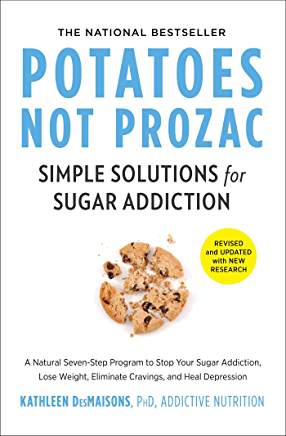
picture of New PnP with light blue letters, and a picture of a broken chocolate chip cookie
Sept 15, 2019,
Hi {!firstname_fix},
I have a brown box on my file cabinet filled with THOSE books!!! It is real, it is happening, and we will be sending books out shortly. Just waiting for Bookworks to get their books Thank you all for sending in your orders. Don't forget that if you live in New Mexico, we are doing a book signing on September 25th at Bookworks on Rio Grande at 6 PM. Actually, I shouldn't put a qualifier on that, should I? If you live in Atlanta and want to fly out that would be great too!
People are still asking me whether it is worth it to get the new edition. And the answer is absolutely! The core is the same - the steps are there, but I have added a prequel about why you got to the place you did. I talk about what it was like for you as a child and how it was different from being a regular kid. And then I have added several new chapters about what it is like AFTER you do the steps.
And regular life continues. We are in the midst of doing the Step One Class on the Yahoo Group. list. I love hearing from those of you are are new. Honestly, it is a joy. We are trying to continue with our *topics* on Living and YLD, although you guys keep getting excited and want to talk about other things, LOL Somethings do not change.
Support for Your Program
Kathleen Smiling
COMMUNITY FORUM
Share with others, ask questions, explore everything and anything about your program. Yes, even topics like chocolate and Fritos. This is a great place to get started when you are new.
Share
GROUPS
Work on your steps, get information on what to eat while running a marathon, ask about depression meds, learn how to do life. Groups are free and fun.
Sign Up for Groups
JOIN US ON FACEBOOK
If you prefer talking on Facebook, come over to one of our three groups there. Radiant Recovery®, Radiant Recovery® International or Radiant Recovery® Germany that shares in German.
WORKING WITH KATHLEEN
Coaching is a special offering for people who are serious about enhancing their programs and would like to have ongoing coaching. We will do individual assessments to sort out exactly where you are in the process. You will be guided in making your own individual plan. You can learn about journaling and adjusting your food for your own life needs – what to do when. You will be given tools and shown how to use them.
We are just starting a new group called Return to Radiance Coaching for those who have done the steps in the past and then drifted. Skilled Coaching is for people who are steady on step three and ready to move through four-six. The small groups stay together as they learn skills. And Special Coaching will be geared to people who have special considerations going on. Right now, we are working on moving out of restrictive eating. If you want to sign up for Special, put a note in the notes section so I have context.
Sign up for coaching
Signature Coaching is intensive individual coaching geared to your specific situation. You may want to step out of the craziness of sugar addiction, return to steadiness and clarity after slipping away, slow down and focus on your recovery, or deepen a steady rhythm of recovery.
This is a way to step out of feeling overwhelmed with where to start and what to do. Because it is so individualized, we can work on what is right for you at this point in your journey. People tell me that coaching helps them feel safe and focused. We work with your style, your rhythm. We address your fear and let go of shame.
Ready to Start?
Read More
"Try to write in your journal as you go through the day. Carry your journal with you."
Testimonial of the Week

Here are some reflections from one community member about the changes experienced since starting the program.

I think I've always been depressed. I remember my Mom worrying about it even before I was in first grade. As an adult, I had vicious rages; I was depressed; I was wildly high and outgoing. My mood could swing from manic to depressed within 30 minutes. I never got a diagnosis as bipolar, but DH has, and I am pretty similar to him in many ways. I've taken Prozac for twelve years. When I stop taking the medicine (because I `forget'), I get rapid cycling mood swings. I get absolutely paralyzed and unable to think or act or do anything other than sit and cry and drink and sleep or pass out.

I had drug and alcohol problems before I was a teenager. At 21, I stopped taking illegal drugs (I was in the Soviet Union for 2 months and never started up again when I returned.) From then on I just drank and drank and drank.

I started SARP in mid-August. Within a week, just by doing breakfast, I felt better -- a lot better. I actually smiled sometimes. I started being almost cheerful at work. I was calmer. I reduced my alcohol consumption.

For the two years before SARP, I had been eating adequate protein & lots of veggies, but low carb, and six mini-meals per day, a leftover from my weight-lifting days. So I ate no browns, and artificial sweeteners were OK. I started out by adding refried beans to my breakfast of eggs, meat, and low-carb fruit, and making sure that I had it within the hour. I ventured into a piece of toast, then two. I joined the BF list and listened to suggestions and stayed focused on BF when I was told that I was getting off course. I found what worked and what didn't so far as breakfast foods. I tried to follow directions as best I could.

I'd been journaling previously, on the computer. I had to start doing it by hand, and when I used the Your Body Speaks format, I started to make more connections between food and mood than ever before.

One newsletter told me not to be a drama puppy. I remember that as a turning point. I started to get over myself, to stop acting up, to just sort of do what I was supposed to be doing and have a sense of humor about me most of the time.

Then came the time to start Step 3. I couldn't move alcohol to meals. I was drinking about 10-12 units of alcohol per day before SARP (I blacked out every night), then about 6 units per day after I started having a program breakfast, and 24-30 units per day on the weekends.

So I joined the recovery list. I tried to listen and follow directions there, even though I was really mush-brained and spazzing out and generally a mess. Kathleen tried to talk me into detox treament, then to help me taper, but I blew it, then I just quit cold-turkey and gave Kathleen and Gretel fits for five days.

For the first 30 days of not drinking I slept constantly. It was really interfering with life. I felt like s__t, mentally and physically. I was reluctantly going to AA but it sure wasn't working very well. The recovery list was my true meeting and support. I clung to it by my fingernails. I prayed to God and I read the Big Book. I worked Step 3 as best I could. I tried to eat bananas (blech!). I grew attached to having a candy bar at lunch every day. I occasionally binged on sweets in the evening or on the weekends. This was roughly how the month of October went.

As soon as I got 30 days sober I fell apart. I had a consult with Kathleen around that time. I took out that lunchtime candy bar and the whole thing unraveled. Who knew that a candy bar could be a lynch pin? I binged. I drank. I didn't journal. I skipped some breakfasts.

But the funny thing was that I didn't drink hard like before. I usually had 2-4 drinks and then didn't want any more. Many nights I didn't want to drink at all. And that was basically how November and December went. I was sort of in limbo, neither healing nor returning to the full extent of my addiction to alcohol.

On January 3rd I dug my heels in and began to work hard. Since then I have only recorded one food binge and no alcohol. I occasionally have a sweet after a meal, but there's no pattern to it. My step 3 is pretty solid, and if it's in place all day long, I `get' to have 1 oz. of potato. I take the vitamins every day and eat very little whites, so I'm doing well, sort of Steps 3-5 all at once but gradually and mainly focused on Step 3.

I feel better emotionally than I ever remember feeling in my whole life. More steady, less mood swings, hardly any violent rages, less vicious depressions. I often feel happy, calm, centered, content, all kinds of nice feelings.

SARP has turned me into a miracle poster child for the program. The difference from six months ago is compelling. It is a simple program but it's not easy. It's easier if you go slow and take your time on each step. It's well worth it to cultivate the patience that this requires. I have no idea if I will ever do Step 6. The thought of taking coverts out really makes me nuts. Perhaps that will change in time.

I wish my DH could experience this. I wish everyone could experience this. I hope you are experiencing this.

David Smiling
Davis is on vacation this week. Andrew is sending out your orders :)
Come visit our STORE. Call 505-345-3737.
Step Four, The Potato
baked potato with butter
We have been experimenting with how to make the nightly potato. I am repeating this promo for potatoes. A number people have tried it and agree with me that this is Fabulous!
This is the best way I have found:
Use a Russet potato about the size of that one to the left. Wash it and then rub it with olive oil. Kath says the oil keeps the pores open so the steam escapes and you don't get an explosion. It must be true since I have never had a potato blast open.
Cook potato in microwave on high for 3 min. If you are cooking more than one, adjust the time. We do 4 min for 2, and 5 min for 4. Play to see, I think it depends on the power of your microwave.
Then put the potato. into a preheated oven at 450 degrees for 30 min. Do it a little longer for more potatoes. Don't poke em or prick em.
The insides will be fluffy, the skin will be crispy. I use ready good butter LOL. The combination of this yummy potato and the really good butter means I EAT it before bed and have fabulous dreams and relaxed days.
Read More
Your Last Diet!
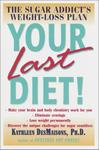
Your Last Diet Book Cover

I am leaving this same information up here in the YLD section because if you are not a member yet, I want you to READ it and join :). Things are getting exciting.

I had someone ask me why I don't just tell people what to eat in order to lose weight. It really pushed me to think about what it is we are doing in YLD. The key concept is about LAST - this means the whole point is to get you to realize that diets are not the story. Diets = restriction which is simply one more way of taking away power. YLD is all about *empowerment* which means it is slow, thoughtful and transformative. It can be a little disorienting since it is so different from what you are used to.

Chats, chats, chats. We just keep talking, reflecting, learning. You will learn about fat terror, about the myths of obesity, how dieting fosters *restriction* and what that means for your long term success. We add new science to help you understand why you do what you do.

I’m in my third year of recovery and THIS year is the worst roller coaster of trying to balance my protein/sugar/mood swings. Was at wit’s end, wondering where could I find a doctor who knew addiction recovery AND nutrition when my sis sent me a blurb on your book. Went to bookstore and the words leapt off the cover at me! I KNEW it was more than just blood sugar; I had been doing food combining, protein in the a.m ., etc., for years, even before I quit drinking. You have saved my life and, more important, my peace of mind by filling in the blank spaces in my diet management. All I want is to feel normal after I eat! Even after I had the blood sugar thing down, I was still experiencing weird feelings, and there they were in the book: a column for beta-endorphin and one for serotonin! Thank you so much for giving me direction!! God bless you! I have been telling everyone about your book.

—M. S.

If you would like to join us in YLD, come find us here.
Bento box with tiny tomatoes, hard boiled egg, turkey, beans and olives

LEARNED HELPLESSNESS

Kathleen DesMaisons, PhD

When we are exposed to shock and pain, the body releases

beta-endorphin to protect us. The beta-endorphin "numbs out" our

physical and emotional feelings, soothes us and keeps us safe.

Beta-endorphin is a powerful brain chemical. Morphine and heroin

evoke a beta-endorphin response, so you can well imagine why we

get attached to the feeling even if it comes in response to "bad"

things happening.

I believe that sugar-sensitive people have lower levels of

beta-endorphin. The brain compensates for this by opening up more

beta-endorphin receptor sites so we get a bigger response to its

effects.

Sugar Sensitive Comfort

Because of this heightened response, we are drawn to things that

evoke beta-endorphin-alcohol, opiate drugs such as morphine, heroin,

percodan, codeine, sugars, fats and white things. The things we

call "comfort foods" are usually the ones that are evoking a

beta-endorphin response in us.

Sugar-sensitive people are more attached to these foods than other

people are. We find more emotional comfort in these foods because

we are getting a bigger beta-endorphin "hit" from them. We not only

feel good at the moment, but our body "remembers" that

beta-endorphin means "safe." The feelings of comfort and emotional

safety become linked.

As many of you have been reading Potatoes Not Prozac, you have

really come to understand how powerful an effect beta-endorphin

has on our behavior and our eating. But the story is bigger than

you may have realized.

More to the Story than Food

The comfort and numbing effects of beta-endorphin can become

cumulative over time. When emotional trauma or "numbing" occurs

repeatedly, the soothing quality of the beta-endorphin that is

evoked shifts into something really problematic. The numbing from

trauma (or from long-term, heavy use of sugars) becomes generalized

into what is called learned helplessness.

Those of you who suffered childhood abuse, molestation or incest,

or who have experienced any kind of adult trauma get a triple

whammy. Bad things happened and your brain literally kept you alive

by cushioning you from the mind-blowing reality of your pain. You

were flooded with the soothing protection of beta-endorphin.

The flood of brain chemicals numbed you in the face of things that

you had no control over.

You learned to be helpless in two ways. One, you literally were

helpless in the face of the bad things that kept happening and two,

the biochemical reaction which was saving your life did also

generalized into the biochemical pattern of learned helplessness.

You survived the bad things that happened over and over, but the

learned helplessness remains encoded in your body. The pattern

will be both unconscious and deeply affected by what you are

eating and what you are doing.

Learned Helplessness in Action

Our many discussions about foods and sugars have taught you the

impact of eating sweet foods. If you have comfort foods, you get

triggered and you want more. If you try to stop, you experience

withdrawal. And if you are using a lot of them, you feel overwhelmed

and hopeless. This is learned helplessness in action. It may be a

feeling that is very familiar to you.

However, you may not realize that there are other things besides

foods that can trigger these feelings and activate a global sense

of learned helplessness.

Recreating Safety

As an adult you may have intuitively found ways to recreate this

feeling of beta-endorphin "safety" not just with substances, but

with activities. The bad news is that the activities you may be

drawn to are harmful. That is, you may unconsciously recreate the

early trauma in order to get the beta-endorphin release that will

make you "safe" from your pain and reinforce your feelings of

helplessness.

You can unconsciously be drawn to abusive situations because the

abuse evokes the comfort of beta-endorphin. You may even create

bad situations like having your utilities turned off or your

credit taken away because inside the "bad" experience is coded

with the biochemical memory of of beta-endorphin comfort.

The more these bad things happen, the more helpless and inadequate

you feel. You simply feel "done to" and have no idea that you are

unconsciously participating in creating these situations as a way

to stay in a familiar and safe pattern. And the more helpless and

inadequate you feel, the more you want to eat ice cream and

chocolate. So the spiral goes down and down.

As you start taking care of the food, you assume that things will

get better. You cannot understand why you keep slipping into old

and perhaps abusive situations at the very time you are committed

to being so intentional about your healing.

The Drive For Beta Endorphin

Beta-endorphin withdrawal will drive you to get beta-endorphin -even

at the price of abuse. Learned helplessness will wind its sticky

little arms around you. And you will feel terrible shame because

now you think you "should" know better. You may not understand this

at all. You may assume it's a personal problem. You may either feel

victimized or totally inadequate. You may not have a clue about the

biochemistry of it, and may feel that the only way out is years of

therapy. Even then, therapy can take care of the "feelings" but not

the biochemistry.

The joy of the biochemistry is that you can change it fairly quickly.

You can start to see that learned helplessness is one of those sugar

feelings. It may be deeply encoded, it may be sticky, but the reality

is that you are in charge.

That Which Causes The Problem Can Heal It

Learn about beta-endorphin and you can set yourself free with a

sense of purpose and power that you could never have imagined. You

have started to learn that there are many things that raise

beta-endorphins (BE's) other than abuse. Exercise, prayer,

meditation, sexual intimacy, playing with your pets, healthy

food and laughter, enjoying your grandchildren, holding babies,

and music. Lot's of options! But you gotta choose them to take them.

Learned helplessness usually means that your first line of action

is to retreat and isolate_the worst things you can do. Healing

requires one choice at a time, BE's the good ways. BE intentional

(be beta-endorphin-intentional) when you feel overwhelmed. Hold

the ice cream and CHOOSE from the list above of healthy

beta-endorphin-evoking activities.

For Further Reading:

Maier, SF et al, The opioid/nonopioid nature of stress-induced

analgesia and learned helplessness .J Exp Psychol Anim Behav

Process, 1983 Jan:9(1):80-90.

Miczek KA et al, Opioid-like analgesia in defeated mice.Science,

1982 Mar 19; 215(4539:1520-2.

Segato FN, Sucrose ingestion causes opioid analgesia.Braz J Med

Bio Res, 1997 Aug:30(8);981-4.

Tejedor-Real P, et al, Implication of endogenous opioid system

in the learned helpless model of depression .Pharmacol Biochem

Behave, 1995 Sep;52(1);145-5

Here is the Annie Lane column that brought so many of you here.

Dear Annie: I read with interest the letter from "Weird, Stupid or Selfish?" – whose husband eats all the decorative candy she puts out. His inability to resist sugar resonated with me, as I have sugar sensitivity and have engaged in exactly the same behaviors. I simply could not resist sugar.

After years of struggling and dieting and sitting in work meetings obsessing about the doughnuts instead of the topic at hand, I discovered the book "Potatoes Not Prozac," by Kathleen DesMaisons. Her theory is that people who are sugar sensitive have brains that respond differently to sugar, alcohol and refined carbs and that what they eat and when they eat it have a huge effect on them. She shows how to rebalance blood sugar levels, serotonin and beta-endorphins through small lifestyle changes and offers the latest research, free online support and seven steps to change your life. It is not about willpower; it’s about biochemistry, which her program can slowly improve, just one tiny step at a time, with amazing results.

I have been sugar-free for six years now, lost 25 pounds and never gained any of it back. I can go to dinner with family and don’t even think twice when someone orders dessert. I don’t have cravings, and sugar is no longer on my radar. I am more focused and more tolerant, and the daily mood swings are gone. The woman who wrote to you could suggest to her husband that he check out http:// radiantrecovery.com to see whether he does have sugar sensitivity. At the very least, she would be better informed about this condition. – Happy Without Sugar

Dear Happy Without Sugar: I hadn’t considered that health issues might explain

her husband’s behavior. In fact, I hadn’t even heard of sugar sensitivity.

Thanks for opening my eyes to the condition! I’d like to encourage all readers to talk to their doctors if they find themselves compulsively eating sugary snacks.

—Email questions to dearannie@creators.com

ANNIE LANE

©2019 Kathleen DesMaisons. All rights reserved. You are free to use or transmit this article to your blog or website as long as you leave the content unaltered, use this attribution: "By Kathleen DesMaisons, Ph.D. of Radiant Recovery®", and notify kathleen@radiantrecovery.com of the location. Please visit the Radiant Recovery® website at for additional resources on sugar sensitivity and healing addiction.

You are getting the weekly newsletter from Radiant Recovery® in response to your signup.
A copy of this newsletter will also be found posted on the web.