Venus rising on a deep blue night with the words Radiant Recovery superimposed on it

Welcome to Radiant Recovery®

American flag
This is grace unfolding. You are not alone.
Nov 10, 2019,
Hi {!firstname_fix},
Tomorrow is Veteran's day here in The United States. My father was in the Air Force. When I was little, we would go to the airfield at the base, the jets would be flying overhead, and there would be a parade. He would be leading his men. There were maybe 100 guys marching in lock step. They all adored him because he was kind and clear. I remember his taking me into the barracks and showing me how they made the beds. The blankets would be so taut, you could bounce a quarter on them. I remember the smell of the blankets. It is funny what shapes us. In those days, violence was not glorified. It was too soon after the end of WWII. No one played games about it, veterans were held in deep respect.
I remember being at his interment, a soldier gave my mother a folded flag. I still have it and that was 58 years ago. I still can hear the sound of the bugler playing taps. My father was 52 when he died of alcoholism. He looked a lot like David does now. He was a good man, he just lost the battle with addiction. And yes, of course, it is why I do what I do - for all the people who have not know how to find recovery, the people who die in pain and despair. The people who die too young and whose loved ones try to make sense of the cruelty and power of unchecked addiction.
Never think that sugar addiction is "just" sugar and it does no harm. We all know that is not true. It strips us of our connection to ourselves, to grace and one another. As we honor our veterans tomorrow, we can also honor ourselves for our courage and our willingness.
I am glad you are here, glad you found us and it is mu joy to be in service to to your healing.
Support for Your Program
Yukon gold potatoes
COMMUNITY FORUM
Share
We have talked about having one place where everyone can talk together. Our move to io is allowing us to set up an easily accessible email list to do this. Conversations can be grouped into topics so you can search for something you are interested in and join in, or you can
start a new topic. This discussion will be held on a list at io. Join it now.

If you are new and you go over and don't find a lot of chatting yet, be patient, this is brand new. People will come.

GROUPS
The groups list is up on the web site. If you want to try out the new system, it is super easy. You don't have to get a Yahoo email, you don't have to fuss. YEA! Just sign up for the list you would like to join.
JOIN US ON FACEBOOK
If you prefer talking on Facebook, come over to one of our three groups there. Radiant Recovery®, Radiant Recovery® International or Radiant Recovery® Germany
WORKING WITH KATHLEEN
Coaching is a special offering for people who are serious about enhancing their programs and would like to have ongoing coaching. Kathleen personally runs the coaching groups.This is not a class but is a process to support your progress. We have added a special chat for people in coaching. It meets twice a week to accommodate those who are in Greenwich Time and those who are in USA time.
Coaching includes four options now: Return to Radiance Coaching for those who have done the steps in the past and then drifted and would like to get back on track. Skilled Coaching is for people who are steady on the steps and ready to work on Step 7 life skills. Special Coaching is geared to people who have special considerations. And Weight Loss Coaching will be for those of you who are ready to make the commitment to actually do it. There will be 2 sections for weight loss Coaching: Readiness and Skilled. The fee for coaching is $20 a week, billed in 2 week intervals. If you wish to join sign up and then we can talk about which section to join.
Sign up for coaching
Kathleen also provides individual intensive coaching geared to your specific situation. Signature Coaching helps step out of the craziness of sugar addiction, return to steadiness and clarity after slipping away, slow down and focus on your recovery, or deepen a steady rhythm of recovery.
This is a way to step out of feeling overwhelmed with where to start and what to do. Because it is so individualized, we can work on what is right for you at this point in your journey. People tell me that coaching helps them feel safe and focused. We work with your style, your rhythm. This is a unique opportunity to release your fear and let go of shame.The guidance can shorten and ease your process so that in 3 months you will do what you might take a year to do on your own.
Ready to Start?
Read More
"You cannot heal addiction in isolation."
Testimonial of the Week

Wanting to isolate and crawl into a private little cave is very SS. Isolation is a major challenge for me and so I made a promise to myself. When I start having "done to, why me, unworthy, unlovable and fat feelings" and they show up in my journal for 2 days in a row, I send out a cry for help. Every time I have done that the results have been magical. Not just in terms of support, understanding and love, but practical step by step instructions about what to do to feel better again. This Community will carry me and you when we can't walk and they will never let us down.

Melodie

David Smiling
David, my oldest son, runs our store. He makes sure your orders go out quickly and works with you to find the best things suited to where you are in your process. If you are going to be traveling over the holidays, he can send a special package to your destination, and you will have what you need when you arrive. Make life easy for yourself.
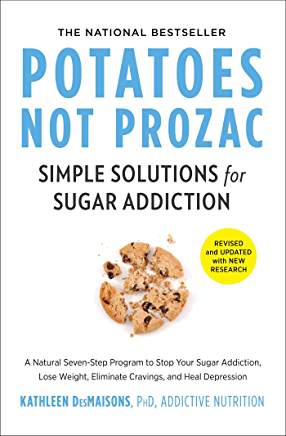
And if you want the new copy of the book or the audio book, David will send it to you ASAP. If you have a subscription on file, just email him and he will do all the paperwork for you so it is a click away.
Come visit our STORE. Call 505-345-3737.
Cover of new book
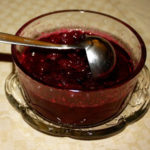
Cranberry Chutney
CrNBERRY CHUTNEY
I would say this is the 2nd most read recipe in our files. Next week, I will post #1. Ask any old timer, and you will find that we all make this at this time of the year. It is what we use on our own tables. Here is the recipe.
Try it out now, see what you think. Make more near Thanksgiving. Freeze it for leftovers. Well you might need to make more because everyone is going to eat it up.
Read More
Your Last Diet!
Your Last Diet Book Cover

There are going to be lots of changes coming for YLD members. I have been gathering up the list of anyone who has joined since 2004 when we first started the program. It is very touching to me to see your names and remember what we have all be through together.

Over time, I have come to appreciate the depth of what YLD really does. Originally I thought it would simply give you a safe and sane way to lose weight without being crazy. Over the years, we have come to see that it does something deeper than that. It completely rewires diet head and alters our self image being determined by a number on the scale. This is hard to explain. Freedom from tyranny might come close, but I am not sure that even that will explain it.

I have decided to run a number of the YLD classes right on the new list.There will be no additional fee for this. I simply want you to have this experience no matter what. What I am adding is 2 coaching options. One will be for weight loss readiness which will allow you to sort your skills and create your plan under guidance. The second will be weight loss skilled which will support you in doing it.

I will go into the details of each of these at chat. I also will be sending out a mailing to all of you who have joined YLD in the past. And finally, if you once joined in the year we offered that "annual" option, please note that your membership has shifted to LIFETIME so you will be getting an invitation from me as well. Let. me know if you have any questions.

If you would like to join us in YLD, come find us here.
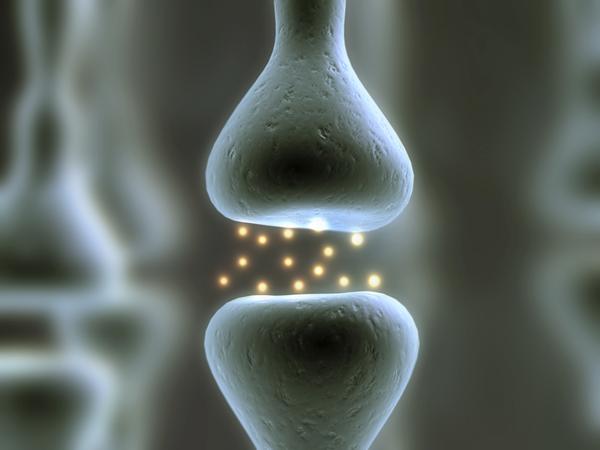
Neurotransmitter graphic

Finding The Program

Kathleen DesMaisons, PhD

When I was looking for answers to why my food program worked so well, I started asking questions. Lots and lots of questions. Yes, there were striking patterns in the stories. And then I went to the scientific literature. I looked in many different places: alcoholism, nutrition, pharmacology, psychology, endocrinology and psychiatry. I didn't have a field to describe what I was thinking, so I poked around in everyone else's. I turned up some intriguing findings. There seemed to be three core issues which fit what I was seeing in the clients: volatile blood sugar reactions (known as carbohydrate sensitivity), low levels of the brain chemical serotonin, and low levels of the brain chemical beta-endorphin. When I laid out the symptoms and behaviors associated with these, I was floored at how closely they matched the patterns I saw in my clients and myself.

I imagine a three-legged stool with blood sugar (BS), serotonin (5HT) and beta-endorphin (BE) acting as each leg. If there were a deficit in any or all of the Legs, the stool would be off balance and wouldn't work well. Sugar sensitivity is the name I picked for the top of the stool. Each person seemed to have different deficits in each leg of the stool. Sugar sensitive people with low levels of serotonin would be depressed and impulsive, those with deficits in blood sugar would be volatile and moody, and people with low beta endorphin would have low self esteem, feel socially isolated and have a very low tolerance for painful situations. People with deficits in more than one area would take on those expanded symptoms.

There were powerful correlates with dietary habits as well. The BS's would tend to skip meals, forget breakfast and eat erratically. They would fall off the cliff and grab anything in desperation. The 5HT's would be drawn to bread and pasta, comfort foods. They tended to be binge eaters or compulsive eaters and often struggled with their weight. The BE's were hard line sugar and alcohol lovers. These were the ones who played with the edge, flirting with danger and squeaking by. They were the miracle workers who pushed deadlines and squeaked by.

And there were thousands and thousands who were all three. My own clients were an incredible mix of all three. Highly complex, dramatic, creative, smart, intuitive, sensitive, warm and caring. And underneath, always in huge pain because they felt powerless to just say no.

I created a nutritional intervention to treat sugar sensitivity. We called it a food plan. It was simple, very straightforward and easy to understand. Eat regularly, have protein with every meal. Eat brown things instead of white things, go off of sugar and have a potato before bed. Very simple, yet profoundly elegant and scientifically intentional. The food plan could smooth out the volatility of the blood sugar response, raise the serotonin levels, and stop the beta endorphin priming and enhance beta endorphin functioning. The same simple program covered all the sugar sensitive bases. And because the program was individually tailored, it reinforced positive behavioral changes.

As people started to talk with one another, we discovered that the very same themes were indeed constant for almost everyone. While sugar sensitivity seems to be a reasonable explanation for why we behave the way we do, we can't just go to PubMed, put in sugar sensitivity and find hundreds or thousands of citations telling us all about our unique bodies and behaviors. But the story is there, encoded in unexpected places and in unexpected ways. If we listen and watch our own stories, we can go back to the literature and better understand the why of what we are living.

The beta-endorphin story first came from the work of Dr. Christine Gianoulakis at McGill University. She noticed that two different strains of mice responded to the effects of alcohol in very different ways. The C57GL/6 strain of mice had a far more potent reaction to drinking than their dry brothers and sisters, the DBA/2 mice. Dr. Gianoulakis and her colleagues had worked with these mice for a long time in many studies. They discovered that the C57's and the DBA's have very different levels of beta-endorphin. The C57's are born with much lower levels of BE. To compensate for this, their brains increase the number of BE receptor sites, called upregulation, which caused a bigger response to things which evoke beta-endorphin. Alcohol and sugar both evoke a beta endorphin response. The C57's can be thought of as mice waiting to be alcoholic. I would call them sugar sensitive mice.

Dr. Gianoulakis extended her study to people and discovered a whole group of people who were genetically predisposed to alcohol addiction. The children and grandchildren of alcoholics seem to be the human equivalent of the C57 mice. They were predisposed to abusing alcohol and becoming addicted to it. I have found that this same group tends to be very drawn to the addictive use of sugars and white flour products. As Dr. Gianoulakis was publishing her work, a number of other scientists were noticing that the C57's also preferred the taste of sweet things far more than their buds, the DBAs. Some of them found that sucrose quieted pain. Others discovered that not only does sucrose quiet physical pain, but also it quiets the pain of loss or social isolation. The C57's (the sugar sensitive mice) and the DBA (the normal mice) had very different responses to sugars and alcohol.

Dr. Elliott Blass, then at Cornell, wanted to understand how this happened. How could sugar act like a drug. He did some experiments and showed that sucrose cut physical and emotional pain by evoking the brain's own beta-endorphin. Beta-endorphin is the body's natural painkiller. Sucrose acts like an opioid drug such as morphine or heroin. Not as intensely, but on the same beta-endorphin system. The C57s have a 35 times more powerful reaction to morphine than do the DBAs. Think of that. Insert sugar in the place of morphine, and you will begin to see why some body and brain types seek it, love it and get addicted to it. The little C57's mice give us a lot of ideas about why we behave the way we do.

The scientists have not started thinking of the C57's as sugar sensitive, but those of us who are doing this program can suggest this leap from the C57 profile to the people profile. The match is extraordinary. If we start thinking of ourselves as little C57 mice, we can have LOTS of clues about why we act the way we do. And we can start understanding why our DBA friends cannot in any way understand why we keeping going back when they are able to just say no. As we continue this discussion, let's stop for a moment and take one cautionary note. Scientists do not trash the little C57s. Nor do they laud the DBA's. They simply know that they are two very distinct strains with different body chemistries. If they wish to look at the effect of a given intervention and want to see the differences in different body types, they order both kinds of mice. Their dispassion about types of mice can comfort us in our journey to healing.

So, we can work on taking the negative judgment and shame off of the C57 way of life. Our first step is understanding. As we get how this works, we can start making choices for healing.


Here is the Annie Lane column that brought so many of you here.

Dear Annie: I read with interest the letter from "Weird, Stupid or Selfish?" – whose husband eats all the decorative candy she puts out. His inability to resist sugar resonated with me, as I have sugar sensitivity and have engaged in exactly the same behaviors. I simply could not resist sugar.

After years of struggling and dieting and sitting in work meetings obsessing about the doughnuts instead of the topic at hand, I discovered the book "Potatoes Not Prozac," by Kathleen DesMaisons. Her theory is that people who are sugar sensitive have brains that respond differently to sugar, alcohol and refined carbs and that what they eat and when they eat it have a huge effect on them. She shows how to rebalance blood sugar levels, serotonin and beta-endorphins through small lifestyle changes and offers the latest research, free online support and seven steps to change your life. It is not about willpower; it’s about biochemistry, which her program can slowly improve, just one tiny step at a time, with amazing results.

I have been sugar-free for six years now, lost 25 pounds and never gained any of it back. I can go to dinner with family and don’t even think twice when someone orders dessert. I don’t have cravings, and sugar is no longer on my radar. I am more focused and more tolerant, and the daily mood swings are gone. The woman who wrote to you could suggest to her husband that he check out http:// radiantrecovery.com to see whether he does have sugar sensitivity. At the very least, she would be better informed about this condition. – Happy Without Sugar

Dear Happy Without Sugar: I hadn’t considered that health issues might explain

her husband’s behavior. In fact, I hadn’t even heard of sugar sensitivity.

Thanks for opening my eyes to the condition! I’d like to encourage all readers to talk to their doctors if they find themselves compulsively eating sugary snacks.

—Email questions to dearannie@creators.com

ANNIE LANE

©2019 Kathleen DesMaisons. All rights reserved. You are free to use or transmit this article to your blog or website as long as you leave the content unaltered, use this attribution: "By Kathleen DesMaisons, Ph.D. of Radiant Recovery®", and notify kathleen@radiantrecovery.com of the location. Please visit the Radiant Recovery® website at for additional resources on sugar sensitivity and healing addiction.

You are getting the weekly newsletter from Radiant Recovery® in response to your signup.
A copy of this newsletter will also be found posted on the web.