Pouring rain
Feb 18, 2024,
 
Hi {!firstname_fix}, 
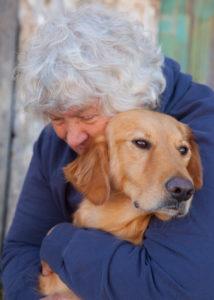
    You have been waiting for a newsletter for a while.  Radiant Recovery® is not a huge corporation. It is me and David and a small number of volunteers who hang in there and help things working. I had Covid last Fall and while the actuall "event" was not dramatic, I think the ";ong Covid" was devastating. Fatigue that flowed in the tide at 4 PM pretty much meant just hanging on. And the arrival of a very pregnant rescue dog and then 6 unexpected rescue puppies just sort of slowed everything.
 
Things seem balanced and navigatable now. I am wanted to reconnect, move forward with some classes, restart the newsletter and give you some guidance with what the steps are and how they are different from other choices.
 
In the interim, we have been flooded with a tsunami of pion "prinks" that offer a miracle solution to your resistant weight struggle. Weight watchers offers a 'medical' option now with a weekly dose. I will get to talking about these options - not in this edition but soon, you need to understand what the variables are.
 
We have been doing the Step One class on the list. It has been fun to catch up with the ideas and regroup with the basics. A lot of new people arrived  so it is nice remembering the basics. And yes, getting started is the same story it was 25 years ago. "What, you want me to only di ONE thing!!!"
 
We have George's® Restore back in stock! Our packer is a locally owned Women's Business. The cows still eat grass and have no hormones, live mostlin in New Mexico (some live in Idaho), and the quality is still spectacular.  And the transition from non biodegradable jars to sustainable bags seems to  be working so everyone one is pleased.
 
This week's article is way longer than what I usually write. But it is VERY important to read. So read it slowly, reflect on it bit by bit.. I am optimistic that we will be all right.  If your email cuts off the bottom of the newsletter you can go on line and read it there. It is under the LEARN tab.
 
Support for Your Program
Journals
COMMUNITY CONVERSATIONS
                                                                                   

 ReD THIS, LOL. IT DOES HAVE SOMETHING NEW IN IT. REQWe have a master community email list. It is a nice place to get started if you are new to the community or are coming back and are wondering what to do.  Introduce yourself and ask for help. Or just listen. We won't mind.

The list has been very quiet recently but that will change. The community is made up of a huge number of introverts which means LISTENING is held in high esteem. We will direct you to the right spot for your questions. It's fine if you know nothing, just stop in and you will be welcomed.  And we will talk about the article there.


GROUPS
The groups list is up on the web site. Click on the top bar where it says GROUPS Just sign up for the group you would like to join. Read about the group before you ask to join. If you are starting or returning, join the Step One list. Don't join Step One and Step Two and Step Three all at the same time. If you have any trouble joining, send me an email at  and we will get you all set.     Join the Step One List now.
 
Let me give you a little overview of how things fit together.Think 3 phases of recovery, pre-steps, steps, and life on Step 7.  Now, all of this kinda slowed down during covid.  It may seem like a lot of "new" stuff but it really isn't. We will talk about it in the chats over the next couple of weeks so you can ask questions and get clear.
 
Step lists: doing the food and getting skills for each step. They support getting off of sugar and healing sugar addiction. There is no fee for being on the step lists.
 
And then comes support for the things you want to do after you are steady.
 
YLD was designed for  healing fat terror, losing weight, healing your body image and learning to exercise in a healthy way. But in reality, the primary focus is about healing the addiction that lurks beneath the weight. We do zoom chats  every week as part of YLD. And there are a lot of people in YLD who are not at all concerned about weight but just love the information and connection.
The chats are sometimes causal and simply personal connection. And sometimes they will scramble your brain with new information that you will hear nowhere else. Zoom has heightened both,
 
You can email me if you have any questions. If you have questions about intermittent fasting, ask on the YLD list :)
 

WORKING ONE ON ONE WITH KATHLEEN


People wonder if it would be beneficial to work with me directly. I can help you step out of the craziness of sugar addiction, return to steadiness and clarity after slipping away, slow down and focus on your recovery, or deepen a steady rhythm of recovery. This particular option is especially helpful if you did the steps a while ago and then kinda meandered away. Or if you are facing some intense times and would like skillful support. 
 
The most useful time to think about this is after you have started Step 3. Even if you do just one session, I can help you "see" the places that might be the hardest for you. Basically it shortens the groping around by a year or so. 
 
Go here to learn more about it.  we can do a no fee"discovery" session to see if committing to one on one work would be a good fit for both of us. Email me if you would like more information. I am happy to talk to you about options. 


JOIN US ON FACEBOOK
If you prefer talking on Facebook, come over to our group there. Radiant Recovery®, Our Facebook presence is primarily intended to be "social".We post about food, joy dots and fun with doing the program.

Testimonial for the Week

I can remember being ruled by sugar even as a kid. We didn't have sugar cereal at our house, but I looked forward to spending the night with certain friends because they had sugared cereal. Captain Crunch was my favorite. I would eat it until the box was gone and the top of my mouth was torn up. One friend was actually kind of mean to me and her mom was an awful crab (probably an ss family), but I loved staying there because they always had Captain Crunch.


Once or twice a week I would make my own concoction that my mom and I called brown sugar candy. Butter melted on the stove, add brown sugar, sometime raw oats and freeze. I would eat a whole pan of it in a couple days.


I was never overweight as a kid, don't know why not, lol. But I was a loner. Now and then I would have one or two good friends, but I always felt on the outside or on the fringe. I was smart, but I was a C student. Looking back, I wasn't always "present" in class. I would also fight with teachers instead of keeping my mouth shut. No energy, few friends, low self-esteem.


I tried to be a good mom, but had no energy and most of the time no patience. I was out of the horrible marriage, but not really "present" for my kids. Of course they are ss too. I would lose my cool with them and then feel bad and spoil them. 


Mornings before school were terrible and on the way to school, I would drop by the donut shop and that is what the three of us would eat for breakfast. 


I was in a 2nd wonderful marriage to a great man, and still a mess. Would come from work and go to bed. Grumpy, no patience, hated summers because my step-daughters were there (and they are great kids). 


I was starting to instinctively know that sugar was at the core of my problem and did a search for sugar addiction on the web. SARP and Kathleen came up. I ordered the book and a few weeks later it arrived. The night I received the book, I remember posting on the forum while eating a bowl of cake mix. LOL. I really haven't looked back since. I trusted what I read on the lists, I whined and posted a lot and I healed at an amazing rate.


My house is clean, meals are on time, homework is done, plants are watered, pets are healthy and happy. Kids like mom and bring their friends home with them.


I am still a good, full-time employee, but now I am also writing and actively involved with learning all there is to learn about being an author and writing as a career. I look forward to the time that I work at home and am there when my kids get home from school.


Who was that person in that other life? I don't know, but I guess I learned a lot from her. Thank goodness *I* live a radiant life. 


Vicki L.


Radiant Recovery Store
David Smiling
David, my oldest son, runs our store. He makes sure your orders go out quickly and works with you to find the best things suited to where you are in your process. Many people think of him as their personal concierge.
     We Have Restore! Everyone is so happy. 
No strange things in it. No Water, Corn Syrup, Sugar,  Short-chain Fructooligosaccharides.,Corn Oil, Soluble Corn Fiber, Natural & Artificial Flavors, Cellulose Gel, Monoglycerides, Salt, Cellulose Gum, Acesulfame Potassium, Gellan Gum, or artificial sweeteners such as  Sucralose or eurythrytol. 
     It does have a tiny bit of soy lethicin which is misted on the powder to keep it from clumping.
     This means that you get the taste of milk products from cows who have eaten grass in New Mexico and Idaho where the air is clear and the bovine have space. What people tell us over and over, once you have this, no protein powder will be the same.
     The exciting thing for us is that it is being blended right here in Albuquerque by a local woman- owned company with people we like, know. and trust. It was a complex journey and we are VERY happy.


Come visit our STORE. Or call 505-345-3737.

Your Product Name

Here is the BAG not a jar !!!!!!

George's® Restore

WHERE THE CONVERSATION IS

After all this time YLD continues to be a favorite place for people in the community. If you struggle with your body image, if you have chased diets for years, here is a wonderful alternative to all the things you have tried. Or, if weight has never been an issue, but your brain craves cutting edge information that you won't hear anywhere else.The Zoom chats are really fun and people learn a lot. They are a time for connection and learning. We are looking at all sorts of intriguing ideas like "Why we crave chocolate and why some people don't" [it's genetic.] 


Or if you want to understand why you feel so tired now and sleep doesn't help. Or why you want to shop, or why you are procrastinating. I know you thought this was about diets, but it is really about sugar sensitivity and being in the world.  If you want to heal what really is going on for you, we have the answer.


If you are not a YLD member, come and join us. Click here if you are ready to change your life or just plain ole have fun. And remember it is a lifetime membership so if you joined in 2000, you can still come back.

Image


The Gift Hidden in Addiction


Before your healing, your sugar addiction diverted your energy into the desperate, ongoing effort to find something, anything that would numb your pain and your feelings of inadequacy. The key message you heard was that addiction is bad. That reinforced your feeling of being “less than.” 

This new edition of Potatoes Not Prozac has given you new information. You have learned that feeling “less than” is a function of your sugar-sensitive biochemistry. The feeling was there before your sugar addiction. And stopping the addiction didn't change it. This book has taught you the skills to change that core feeling. Doing the food, addressing your shame, doing your emotional healing, and playing will all work together to remove those bad feelings about who you are. Even so, you may still carry the belief that somehow addiction is bad and that even though you are healing, what we call being in recovery, you are defective because you were once addicted.

     You have been told — and no doubt you have internalized the message so that you deeply believe it — that you lack discipline and self-will, and are a shame to society. The fact is, these things are simply not true. I want to challenge that erroneous belief and offer you a way to reframe it. Reframing is taking an idea or belief about something or someone and finding another, more helpful, way to look at it. 

Reframing happens all the time. If we are alone in the house in the dark of the night and we hear a loud noise, we may think an intruder has come to hurt us. Or we may simply assume the cat knocked something off the counter. If we have a cat with a history of mischief, we will register that sound in a practical way rather than assuming it is an indicator of something bad or scary. This doesn’t mean we won’t get up to check, but it changes our level of fear about doing so. Here is another example of a reframe. 

     A friend of mine told me about driving one day behind a very large, very slow truck winding its way up a narrow mountain road. She was fuming at the blasted truck because she liked to drive that road fast, fancying herself quite a skilled driver. Then all of a sudden, she had a flash of wisdom and this reframe came into her mind: I should thank that truck. It is making me go slow and ensuring that I don’t drive off the road! She took a moment and literally said thank you to the hulking bulk of the truck, then enjoyed the rest of her drive. 

     Here is the reframe I have created especially for you: Addictions are not for underachievers! They actually require a high level of skill to maintain. Skill??? Yes. What’s more, these skills can be transferred to another goal, like recovery. Too often our “less than” feelings lead us into the trap of thinking that we are permanently impaired and cannot handle any recovery beyond stopping the sugar. This is not so. The key to deep recovery is simply waking up and realizing that you already have the skills you need to achieve it. You learned these skills as a sugar addict. You have them in spades. You simply need to apply them to your recovery. 

     For example, society tells us that addicts are weak-willed. Not so. When you needed to get your “fix,” you used tremendous will power to do it. You overcame all odds and all obstacles. Society also tells us that addiction makes you stupid. Nope. It simply diverts you from using your intelligence in everyday matters into using it to find something to numb your pain. Traditionally, substance abuse addiction counselors assumed that people in early recovery had impaired brains and lacked life skills. They didn’t really think about sugar as a drug.  Yes, alcohol, drugs, addictive behaviors and SUGAR do create physical impairment in your brain, an impairment that leads to disordered thinking or bad judgment. But doing the food heals your brain, including this impairment. Your thinking becomes clear again and your judgment can become trustworthy. 

     I want to ask you a very outrageous question. What if your sugar addiction contained a huge gift? What if there was positive power hidden within it? What if it demanded and honed a skill set that will empower your recovery? For example, didn’t it teach you how to be focused, single-minded and determined? Take your mind back to those days of need to have your sugar fixand reframe them with gratitude for what they were able to teach you.  

     Addictive skill is unparalleled in creating a package for success. I know that society and your family have drummed into you the idea that you are a weak willed, selfish lout who cares only for herself. That may have once been true. But your quest for sugar, or painkilling behaviors gave you something else as well. Let's reframe some of your life in addiction so you can see what I mean. I am going to use the word “drug” as the name for your sugar. I know it may feel outrageous, but bear with me. This may open your mind in a way you cannot imagine.

Your addictive skill teaches you this:

  1. Your drug of choice was your priority in life 
  • Your biggest priority was your drug supply
  • You planned your time around getting your drug
  • You cut out of boring social events if your drug was not available
  • You paid great attention to the quality of your drug
  • You knew the best source of getting your drug
  • It didn't matter if someone else didn't use it, you stuck with your drug
  • You knew the brands/kinds you liked best
  1.  You were focused on making sure you had your supply
  • You were single-minded about getting your drug
  • It didn’t matter what the rest of the family thought, you got your drug
  • You got your drug no matter the money, time, place or people in the way
  1. You were highly resourceful
  • If you couldn't get what you needed, you found good alternatives
  • You always, always made sure you could get your drug, whether this meant having a car, knowing where you would be staying, knowing where the stores or dealers were, whatever
  1. You had great devotion to your drug
  • It was the most important thing in your life
  • You got the best you could afford
  • You learned the difference between quality and mediocre products
  1. You were focused, tenacious and meticulous about your drug
  • You paid attention to your supply to make sure you always had what you needed
  • You kept track of time perfectly so you knew when you would get your next dose
  • You made sure you had the money to support your habit no matter what else got shortchanged
  • Your life was organized around your drug
  • You didn't have to talk about it, you just took care of getting and doing what you needed

These were the skills you developed when you were addicted. The deeper your addiction was in your life, the more finely honed these skills were. And you still have them, all of them. Now you can call upon them on behalf of your recovery. Here’s the reframe:

  1. Your recovery is your priority in life
  • Your biggest priority is your recovery
  • You plan your time around supporting your recovery
  • You cut out of boring social events if they do not support your recovery
  • You pay great attention to the quality of your recovery
  • You know the best source of recovery for you
  • It doesn't matter if someone else isn’t in recovery. You stick with your recovery
  • You are able to differentiate which foods are good for you 
  1. You are focused on making sure you support your recovery
  • You are single-minded about your recovery
  • It doesn't matter what the rest of the family thinks, you focus on your recovery
  • You support your recovery no matter the money, time, place or people in the way
  1. You are highly resourceful
  • If you can't get what you need for your recovery, you find good alternatives
  • You always, always make sure you have the tools to support your recovery, whether this means having a car, knowing where you are staying, knowing where the meetings are, whatever
  1. You have great devotion to your recovery
  • It is the most important thing in your life
  • You get the best you can afford 
  • You learn what enhances it and you do those things
  1. You are focused, tenacious and meticulous about your recovery
  • You pay attention to what you need for your recovery to make sure you always have what you need
  • You keep track of time perfectly so your meals are set to go
  • You make sure you have the money to support your recovery no matter what else gets shortchanged
  • Your life is organized around your recovery
  • You don't have to talk about it, you just take care of getting and doing what you need

     Pretty astounding reframe isn’t it? And you know it’s true. You are skilled, determined, smart, meticulous, focused, single-minded, and resourceful. What wonderful skills to have!

     Reframing the how we look at a situation affects how our brain registers it. If you think of yourself as a shameful person because of your sugar addiction, then your brain will hold that concept and act from that belief. Thinking or feeling this way over and over creates a “rut” in your brain. It can become your default way of thinking about yourself.

     If you think of yourself as a person who used sugar addiction as a way to run from the pain and who has a huge repertoire of addictive skill gleaned from those years, you will stop thinking of yourself as “less than” and start thinking of yourself a skilled person who needs a new place to use those skills. 

     Reframing sugar addiction as the source of a profound skill set that can support your recovery is a powerful tool. It's my belief that this kind of reframing moves us out of the fear and shame side of the amygdala and into the joy side. This enables our recovery to flow from a place of forgiveness, strength, and opportunity. Rather than trying to fix your “character defects” like resentment, grandiosity, and irresponsibility, you can look at them as the result of a misguided application of natural skill. Then you can stop beating yourself up and get on with your recovery with confidence in your ability to achieve it.

     Thinking of yourself as skilled, competent and experienced gives you a way to lead from strength. Think about how excited you get when you feel that you know what you're doing, you have the skills to do it, you have the experience to do it, you know how to do it, and nothing will get in your way. Your belief in yourself changes everything.

Remember, these are skills you already have. You don't have to learn them. You know them. They are embedded in every part of who you are. You've used them for years. You have put energy, passion, time, money, resources — your whole life — into building them. You are not a newcomer to the task. In fact, you have the equivalent of a PhD in addictive skill. It’s time to start thinking of yourself as a star player rather than a loser.

I think that having these addictive skills is the reason that people in recovery have such an extraordinary advantage over other people. Recovery supports this reframing. Rather than seeing yourself as a victim, you see yourself as a winner based on skill crafted in the trenches at great cost. Now it’s time to use that skill.

      I encourage you to claim the power of your addictive skill, bless it, and use it to build recovery skills with grace and joy. What you thought was your pain will become your teacher. You will no longer run from it. You will embrace your past with a passion that will create a future of hope and excitement. You will once again be a loving, warm, caring, intuitive person, as you were when you were little. You will embrace the best of your sugar sensitivity and act from a place you never realized was there to serve you.

I truly believe that this is Grace unfolding, and we are not alone.



This is Grace unfolding. You are not alone.

©2024 Kathleen DesMaisons. All rights reserved. You are free to use or transmit this article to your blog or website as long as you leave the content unaltered, use this attribution: "By Kathleen DesMaisons, Ph.D. of Radiant Recovery®, and notify kathleen@radiantrecovery.com of the location. Please visit the Radiant Recovery® website at for additional resources on sugar sensitivity and healing addiction. 

You are getting the weekly newsletter from Radiant Recovery® in response to your signup. A copy of this newsletter will also be found posted on the web.